zoya.teirstein | VoxOur world has too much noise and too little context. Vox helps you understand what matters.2025-08-13T17:00:02+00:00https://www.vox.com/authors/zoya-teirstein/rsshttps://platform.vox.com/wp-content/uploads/sites/2/2024/08/vox_logo_rss_light_mode.png?w=150&h=100&crop=1zoya.teirstein<![CDATA[Extreme heat can raise newborn death risk by 22 percent]]>https://www.vox.com/?p=4578482025-08-13T13:00:02-04:002025-08-13T04:30:00-04:00
A woman and her child on the Panbari tea estate in Assam, India. Over years, pregnant women working on the plantations have been subjected to long hours with little to no accommodation of their basic needs for food, hygiene, latrines, and lesser work loads.
This story is a collaboration between Vox and Grist and builds onExpecting worse: Giving birth on a planet in crisis, a project by Vox, Grist, and The19th that examines how climate change impacts reproductive health — from menstruation to conception to birth. Explore the full series here.
Climate change poses unique threats to some of the most foundational human experiences: giving birth and growing up. That’s the conclusion of a recent summary report compiled by researchers at the London School of Hygiene and Tropical Medicine, which shows that climate change is exposing tens of millions of women and children to a worsening slate of physical, mental, and social risks — particularly if they live in the poorest reaches of the globe.
Extreme heat, malnutrition linked to crop failures, and air pollution caused by the burning of fossil fuels are driving higher rates of preterm birth and infant and maternal death, undermining many countries’ efforts to improve public health. Already, 1 billion children experience a level of risk that the report characterizes as extreme.
“We’re still just beginning to understand the dangers,” the authors wrote in their review of the limited existing scientific literature on the subject, “but the problem is clearly enormous.”
Here are the 5 biggest takeaways:
Extreme heat is particularly dangerous for pregnant women and newborns.
High temperatures are linked to premature births, stillbirths, low birth weight, and congenital defects, the report said, pulling from a study conducted by Drexel University researchers in Philadelphia who found that, for every 1.8 degrees that the city’s daily minimum temperature rose above 75 degrees Fahrenheit, the risk of infant death grew about 22 percent.
“Whatever associations we’re seeing in the U.S. are much, much greater in other areas, particularly the areas of the world that are most impacted by heat and then also already impacted by adverse birth outcomes,” said Rupa Basu, chief science advisor for the Center for Climate Health and Equity at the University of California, San Francisco.
“This is the tip of the iceberg,” added Basu, who was not involved in the new report.
Heat waves also raise the odds of early birth by 16 to 26 percent, according to the report, and women who conceive during the hottest months of the year are at higher risk of developing preeclampsia, a pregnancy complication that can become dangerous if left untreated.
In The Gambia, where 70 percent of the agricultural workforce is female, a survey of pregnant farmers conducted by London School of Hygiene and Tropical Medicine researchers found that women were being exposed to conditions that overwhelmed their capacity to regulate their internal temperatures 30 percent of the time. Up to 60 percent of women exhibited at least one symptom of heat stress and heat-related illness, such as vomiting and dizziness. Diagnostic tests showed that a third of pregnant farmers showed signs of acute fetal strain.
Air pollution is a silent killer.
The burning of fossil fuels — and a related surge in wildfires burning over the earth’s surface — are likely linked to a staggering proportion of low birth weight cases globally: 16 percent, according to the report. That’s because the combustion of fossil fuels such as coal, oil, and gas produces tiny toxic molecules, and wildfire smoke contains fine particulate matter that is infamous for causing a slew of adverse health effects. At least 7 million children in the U.S. are exposed to wildfire smoke every year, and that number is rising quickly as rising temperatures have driven a doubling of extreme wildfire activity around the globe over the past 20-some years. In 2010, researchers linked 2.7 to 3.4 million preterm births around the world to air pollution exposure.
“Risky, sublethal effects of air pollution are also coming into focus,” the report continues. One study conducted using data on 400,000 births in southern California found that a woman’s exposure to fine particulate matter during pregnancy may increase her odds of spontaneous preterm birth by 15 percent, especially if that exposure happens during the second trimester.
Mothers may face mental health burdens as a result of air pollution, too: The odds of postpartum depression rose 25 percent in women exposed to a range of different types of air pollution in their second trimester.
Climate change is already causing serious and measurable harm to children.
One billion children worldwide are at “extremely high risk” from the effects of climate change — meaning they live in areas prone to sudden, disruptive environmental shocks and already experience high levels of poverty, food insecurity, and lack of access to medical infrastructure. The African continent, which is home to countries with some of the highest mortality rates for children under 5 years old in the world, saw a 180 percent increase in flooding between 2002 and 2021. And a study of 37 African countries published last year identified a steep rise in infant mortality due to drowning and waterborne diseases caused by flooding in the past five years. (Exposure to repeated flooding can overwhelm sewage systems and contaminate drinking water supplies with fecal matter and other pollutants that can lead to disease.)
Climate-driven drought in Africa is contributing to another adverse health outcome: malnutrition. Since 1961, climate change has led to a 34 percent decrease in agricultural productivity across the continent, according to the report. A deadly cycle of drought and flooding has wiped out crop yields, contributing to stubbornly high rates of infant malnutrition in many sub-Saharan African countries.
These problems will get worse, but how much worse depends on how much global emissions continue to rise.
The report modeled what different emissions scenarios would mean for maternal and child health in two countries: South Africa and Kenya. In a low emissions scenario, in which average warming is limited to 1.5 degrees Celsius — or 2.7 degrees Fahrenheit — globally, childhood mortality in both countries would decline between 2040 and 2059, thanks in large part to projected gains in safeguarding public health that are already in the works. Those gains, however, are predicated on sustained aid from developed countries like the U.S., which have produced the lion’s share of emissions driving the climate crisis. The Trump administration has made seismic changes to America’s international funding infrastructure in recent months, including effectively eliminating the United States Agency for International Development (USAID) and its related aid programs.
A medium emissions scenario, where average global temperatures increase by 2.5 degrees to 3 degrees Celsius, would override that expected progress, leading to a 20 percent increase in child mortality rates in South Africa and stable rates in Kenya, where there has been much investment in protecting child health. Preterm birth rates in both countries would also rise substantially even with low rates of planetary warming. Worldwide, climate-driven malnutrition could lead to an additional 28 million underweight children over the next 25 years.
Regardless of which emissions path the world ends up following, a shift toward a more isolationist approach among the world’s richest countries threatens to exacerbate the risks pregnant women and children already face. As the planet continues to warm, those risks will keep multiplying.
We don’t have to wait for global warming to stop to save lives.
Much can be done to prevent suffering right now. Solutions range from the straightforward to the complex: City planners can plant more trees in urban areas to keep pregnant people and children, whose internal systems are prone to overheating, cool. Organizations can identify ways to get public health data from the most underresourced parts of the globe. And nations can take steps to incorporate maternal and child health into their climate plans.
Both sets of solutions are achievable, and there are precedents. Since 2013, for example, local air pollution strategies in Chinese megacities have been forcing rates of respiratory illness down dramatically, an echo of what happened in the U.S. after the passage of Clean Air Act amendments in 1970. To combat climate-driven harm today, nations can direct resources to maternal health wards, cooling technologies for buildings, and flood-resistant infrastructure. They can also update building codes to make sure hospitals and other health facilities are keeping their patients safe from extreme weather events. Getting nutritional supplements to pregnant people in countries dealing with high rates of food insecurity can offset some of the dangers of malnutrition; researchers have found that reducing vitamin deficiency in pregnant mothers slashed neonatal mortality by nearly 30 percent.
In Philadelphia, city leaders implemented a $210,000 early warning system for extreme heat in 1995. It saved the city nearly $500 million in diverted costs over its first three years of operation. The new report argues that more cities in the U.S. and around the world should implement similar measures.
The best method of ensuring that mothers and children are shielded from the health consequences of climate change, according to the report’s authors, is for countries to undertake aggressive climate adaptation plans and integrate maternal and child health considerations into those plans. Because, when it comes to climate change, the report’s authors write, “the crisis is already upon us.”
]]>
zoya.teirstein<![CDATA[What Kamala Harris’s track record on climate makes clear]]>https://www.vox.com/?p=3621312024-07-22T11:50:39-04:002024-07-22T11:50:39-04:00
President Joe Biden withdrew from the 2024 race and endorsed his vice president, Kamala Harris. Will she continue his climate legacy?
This story was originally published by Grist and is reproduced here as part of the Climate Desk collaboration.
After weeks of intense media speculation and sustained pressure from Democratic lawmakers, major donors, and senior advisers, President Joe Biden has announced that he is bowing out of the presidential race. He is the first sitting president to step aside so close to Election Day. “I believe it is in the best interest of my party and the country for me to stand down and focus entirely on fulfilling my duties as President for the remainder of my term,” Biden said in a letter on Sunday.
He endorsed his vice president, Kamala Harris, to take his place. “Today I want to offer my full support and endorsement for Kamala to be the nominee of our party this year,” he said in another statement. Not long after, Harris announced via the Biden campaign that she intends to run for president. “I am honored to have the president’s endorsement and my intention is to earn and win this nomination,” she said.
During his term, President Biden managed to shepherd a surprising number of major policies into law with a razor-thin Democratic majority in the Senate. His crowning achievement is signing the Inflation Reduction Act, or IRA — the biggest climate spending law in US history, with the potential to help reduce greenhouse gas emissions up to 42 percent below 2005 levels by 2030. In announcing his withdrawal, Biden called it “the most significant climate legislation in the history of the world.”
Despite his legislative successes, the 81-year-old Democrat couldn’t weather widespread blowback following a debate performance in June in which he appeared frail and struck many in his party as ill-equipped to lead the country for another four years. He will leave office with a portion of his proposed climate agenda unpassed and the US still projected to miss his administration’s goal of reducing emissions by at least 50 percent by 2030.
Former President Donald Trump has vowed to undo many of the policies Biden accomplished if he becomes president, including parts of the IRA. And scores of his key advisers and former members of his presidential administration contributed to a blueprint that advocates for scrapping the vast majority of the nation’s climate and environmental protections. Whichever Democrat runs against Trump has a weighty mandate: protect America’s already tenuous climate and environmental legacy from Republican attacks.
President Joe Biden endorsed Kamala Harris for president. Here’s what to know about her.
Vice President Kamala Harris could replace Biden at the top of the Democratic ticket in 2024.
With Biden’s endorsement, Vice President Harris, a former US senator from California, is the favored Democratic nominee, but that doesn’t mean she will automatically get the nomination. There are fewer than 30 days until the Democratic National Convention on August 19. The thousands of Democratic delegates who already cast their votes for Biden will either decide on a nominee before the convention or hold an open convention to find their new candidate — something that hasn’t been done since 1968.
As vice president, Harris argued for the allocation of $20 billion for the Environmental Protection Agency’s Greenhouse Gas Reduction Fund, aimed at aiding disadvantaged communities facing climate impacts, and frequently promoted the IRA at events, touting the bill’s investments in clean energy jobs, including installation of energy-efficient lighting, and replacing gas furnaces with electric heat pumps. She was also the highest-ranking US official to attend the international climate talks at COP28 in Dubai last year, where she announced a US commitment to double energy efficiency and triple renewable energy capacity by 2030. At that same conference, Harris announced a $3 billion commitment to the Green Climate Fund to help developing nations adapt to climate challenges, although Politico reported that the sum was “subject to the availability of funds,” according to the Treasury Department.
“Vice President Harris has been integral to the Biden administration’s most important climate accomplishments and has a long track record as an impactful climate champion,” Evergreen Action, the climate-oriented political group, said in a statement.
As a presidential candidate in 2019, Harris proposed a $10 trillion climate plan to achieve carbon neutrality by 2045 on the campaign trail, including 100-percent carbon-neutral electricity by 2030. Under the plan, 50 percent of new vehicles sold would be zero-emission by 2030; and 100 percent of cars by 2035. But that proposal, like similarly ambitious climate change proposals released by other Democrats during that election cycle, was nothing more than a campaign wishlist. A better indicator of what her plans for climate change as president would look like — better, even, than her record as vice president, as much of her agenda was set by the Biden administration — could be buried in her record as San Francisco’s district attorney from 2004 to 2011 and as California’s attorney general from 2011 to 2017.
As district attorney, Harris created an environmental justice unit to address environmental crimes affecting San Francisco’s poorest residents and prosecuted several companies including U-Haul for violation of hazardous waste laws. Harris later touted her environmental justice unit as the first such unit in the country. An investigation found the unit only filed a handful of lawsuits, though, and none of them were against the city’s major industrial polluters.
As attorney general, Harris secured an $86 million settlement from Volkswagen for rigging its vehicles with emissions-cheating software and investigated ExxonMobil over its climate change disclosures. She also filed a civil lawsuit against Phillips 66 and ConocoPhillips for environmental violations at gas stations, which eventually resulted in a $11.5 million settlement. And she conducted a criminal investigation of an oil company over a 2015 spill in Santa Barbara. The company was found guilty and convicted on nine criminal charges.
“We must do more,” Harris said late last year at the climate summit in Dubai. “Our action collectively, or worse, our inaction will impact billions of people for decades to come.”
Clayton Aldern contributed writing and reporting to this article.
]]>
jessica.kutzzoya.teirstein<![CDATA[They spent years trying for a baby. Then the hurricane hit.]]>https://www.vox.com/?p=3507582024-05-30T11:53:12-04:002024-05-30T04:30:00-04:00
Expecting worse: Giving birth on a planet in crisis is a collaboration between Vox,Grist, and The19th that examines how climate change impacts reproductive health — from menstruation to conception to birth. Explore the series here.
On their very first date, Kirsti and Justin Mahon talked about wanting kids. They met on a dating app in 2016, nine months after Kirsti moved from Texas to Florida. Almost immediately, they fell in love.
A little over two years later, they got married. Six months after that, they started trying for a baby. To their surprise, they got pregnant right away. But just as quickly, they had an early miscarriage. At 27, Kirsti didn’t have any reason to suspect fertility problems, and her obstetrician was quick to reassure her: Kirsti’s blood work looked normal, and getting pregnant after a month of trying is a good sign of fertility. Conceiving again, she was told, would be easy.
Over the next two years, Kirsti got pregnant three more times. None of her pregnancies lasted beyond the first trimester.
“It felt like we were hitting a brick wall,” Kirsti said. In January 2022, the couple went to see a fertility specialist who conducted a series of intensive tests that uncovered what was really going on. Kirsti was only 29 years old at the time, but the specialist told her that her egg quality was that of a 40-year-old’s. In vitro fertilization, or IVF, the specialist said, was Kirsti and Justin’s best hope.
It didn’t take the couple long to decide to take the plunge. “With every loss that we had it was like I was watching Kirsti lose a piece of herself,” said Justin. “It became obvious with the consultation that the IVF process was really the only way to guarantee that this really brutal cycle wouldn’t continue.”
So they drained their savings, cashed in an old retirement account, and took out two loans to pay for the treatment. They live in Florida, a state where coverage isn’t mandated, so most of the procedures would be out of pocket. Justin estimates it cost between $25,000 and $30,000. The couple hammered out the minutiae of IVF with their specialist, down to the timing of every hormone shot. They felt ready.
But Kirsti and Justin hadn’t accounted for hurricane season.
If the process of getting pregnant naturally feels murky and unpredictable, in vitro fertilization turns conception into a science: every menstrual phase, reproductive hormone and embryo carefully screened, tested, and optimized. First, patients inject themselves with fertility hormones aimed at stimulating ovarian follicles and bringing as many eggs as possible to maturity. An IVF cycle can fail right then and there, with the bad news showing up on an ultrasound screen or on the printed pages of a laboratory test before the eggs are even collected. Often, too few follicles develop. Ovulation can happen prematurely, or the ovaries can become hyperstimulated, causing pain, nausea, or more serious health problems. Everything can go wrong, and everything — down to the timing of each hormone shot — needs to go right.
If it does, the patient’s eggs are removed for fertilization in an outpatient procedure called an egg retrieval. The eggs must be harvested 34 to 36 hours after the “trigger shot,” a final hormone injection that prompts the eggs to finish maturing, but before the ovary releases them into the fallopian tubes. Patients are administered a painkiller, then the doctor guides a needle through the vagina or stomach and into the ovaries, aiming to suction all the eggs from their follicles. Mature eggs — there can be dozens, just one, or none at all — are fertilized with sperm in vitro, Latin for “in the glass,” or in this case in a petri dish. There, the embryos mature for three to six days. Not all of them survive or develop correctly. The ones that make it can be reinserted into the uterus right away or, more commonly, frozen for later use.
Two time-sensitive procedures bookend the most stressful and critical weeks of the IVF process. The first is the egg retrieval. Once the trigger shot has been administered, there’s no turning back. If the procedure doesn’t take place approximately 36 hours after the injection, the patient’s follicles rupture, casting the precious eggs irretrievably into the fallopian tubes. A missed alarm, a traffic jam, or a delayed flight can wreck an enormous financial and emotional investment.
The second is the embryo transfer. A patient’s uterine lining must be sufficiently thick when an embryo is reinserted — otherwise, the embryo won’t implant, and the patient won’t get pregnant. Doctors often prescribe additional hormone injections for up to 12 weeks to boost estrogen levels and thicken the uterine lining before a frozen embryo is thawed and transferred. Fertility clinics typically require patients to come in regularly for ultrasounds to determine the optimal day for the transfer. If the lining remains too thin or if the patient’s menstrual cycle advances too far, then the transfer must be delayed for at least another month. These windows of opportunity are narrow, and it doesn’t take much to slam them shut. For a growing number of would-be parents living in the coastal areas of the United States, where climate change is making hurricanes faster-moving and more intense, all it takes is a single storm.
In September 2022, the Mahons were preparing for the final stage of IVF: the embryo transfer.
Kirsti had already undergone the grueling egg stimulation and retrieval process, which produced 23 eggs. Four had turned into embryos, and three were genetically tested. Two came back healthy and had been frozen.
Her transfer had initially been scheduled for August, but it got canceled when Kirsti contracted Covid-19 that July. Now, as summer turned to fall, Kirsti spent five weeks injecting herself with hormones at their home on the outskirts of Naples, Florida, where she worked as an animal supervisor at the area zoo. Naples sits on Florida’s Gulf Coast, about 40 miles north of the northern edge of the Everglades.
Less than a week out from her transfer, she was at the clinic for a final ultrasound and some blood work when she asked whether she should be worried about a coming storm she had seen on a weather forecast. She remembers the nurse telling her, “We’ll keep an eye on it, but I really wouldn’t worry about it.” At that time, the storm system still looked like it might miss Naples.
That Monday, Kirsti and her husband had grown increasingly worried, so they emailed the fertility clinic for an update. While they waited to hear back, they tracked Hurricane Ian on the news, watching as it made its way toward the US. “It just kept getting scarier and scarier,” Kirsti said.
On Tuesday, Kirsti went into work and started to evacuate animals from their outdoor enclosures. At this point, the hurricane began to veer toward southwest Florida, but was still expected to make landfall more than 100 miles north of Naples, sparing her town. That afternoon, calls began to stream in from her parents and her in-laws, who lived along the Florida coast. It was decided that they should take shelter in the couple’s house. By that evening, Kirsti’s two-bedroom, one-bath house was suddenly packed with family and a menagerie of pets. On Wednesday morning, Justin injected Kirsti with the last dose of her medication. Southwest Florida was flooding and parts of the state were losing power, but they hadn’t heard anything from the clinic. Their appointment was supposed to be the next day. As far as Kirsti knew, the procedure was still on track.
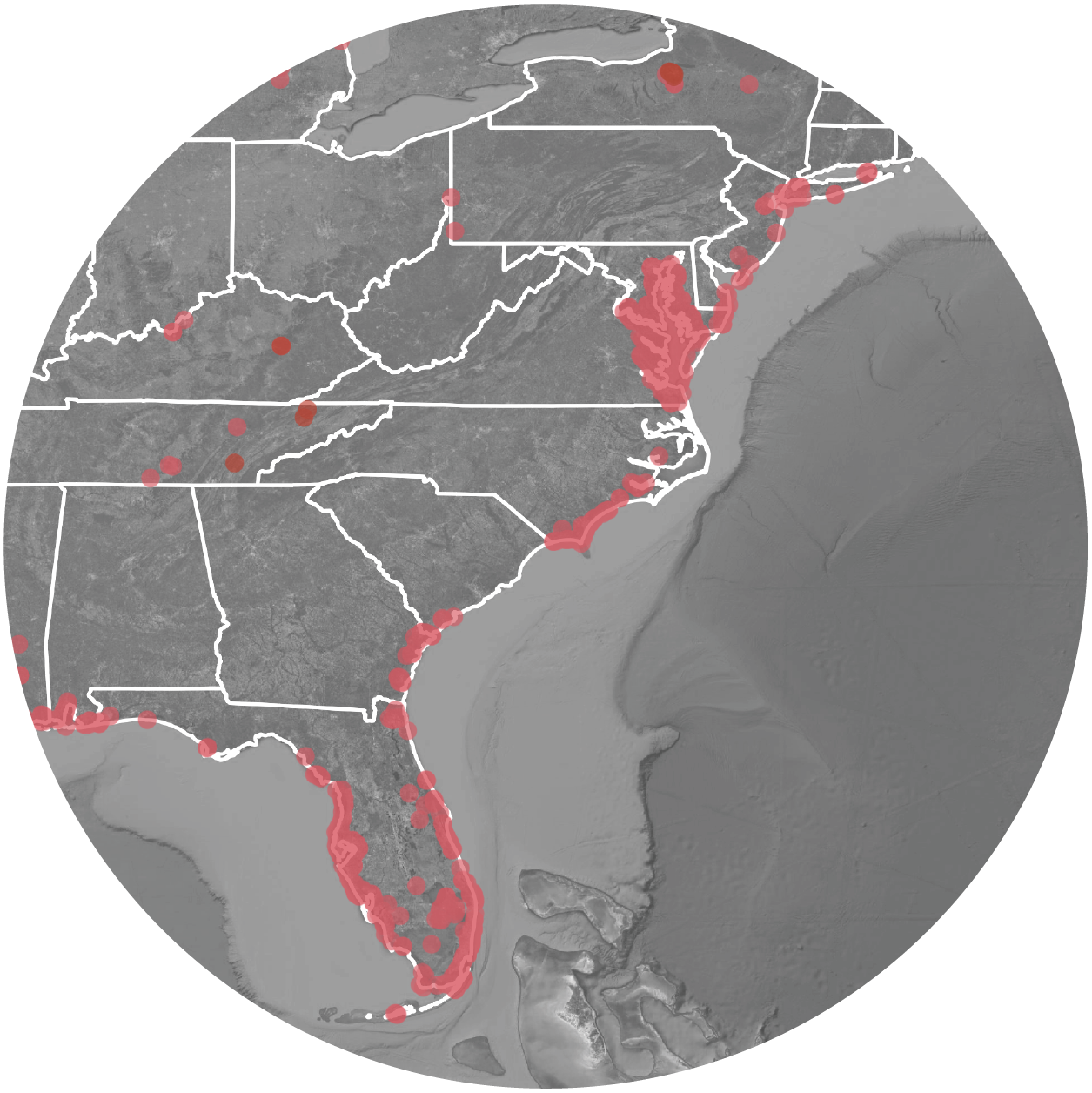
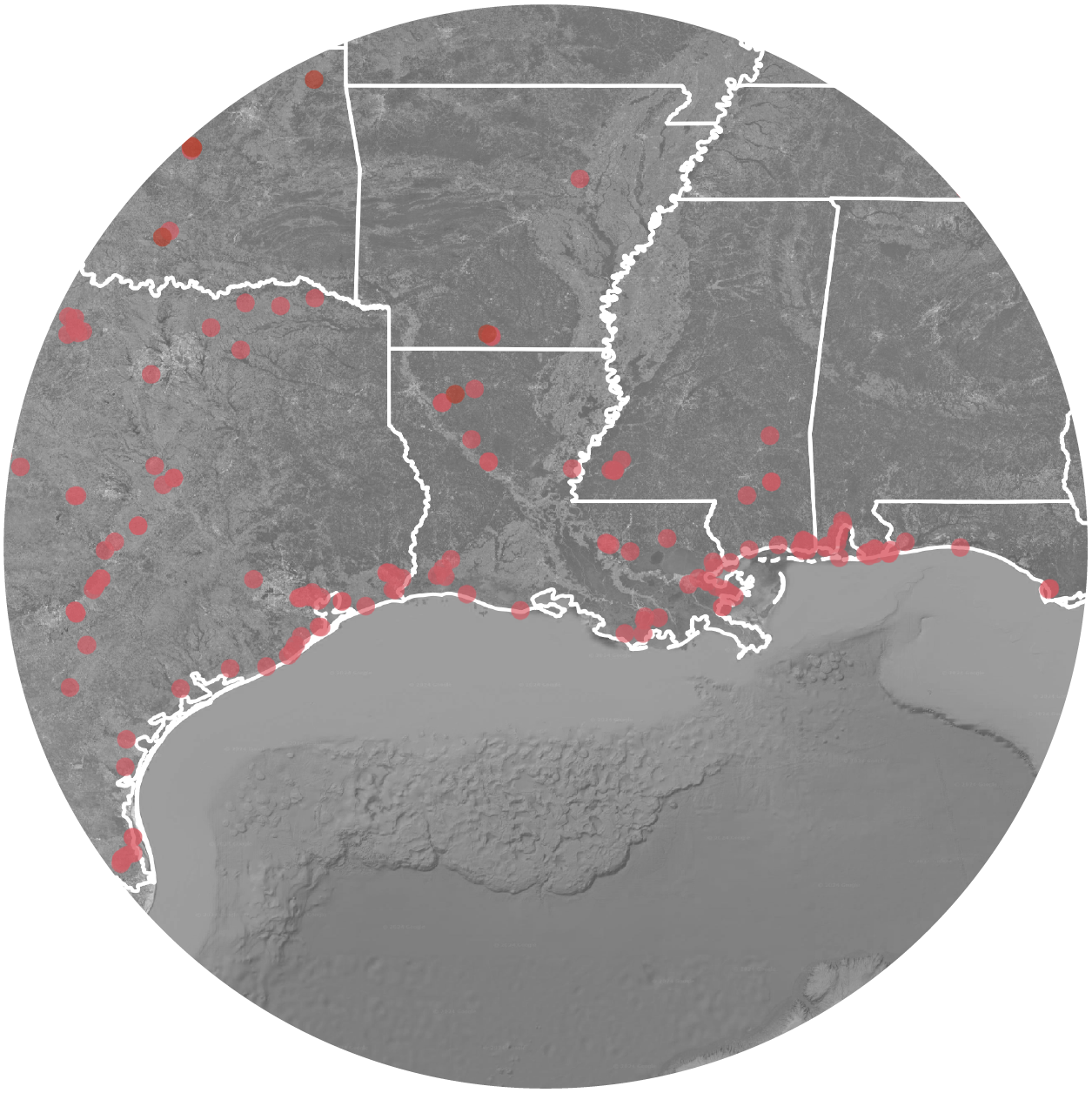
Hurricane Ian was a prime example of a storm charged by climate change. It strengthened from a Category 3 into a Category 4 hurricane in under 24 hours. Ian is just one of several major hurricanes that have struck the southern and southeastern coasts of the United States in the past decade — regions that are particularly vulnerable to damage during the Atlantic hurricane season. In places like Florida, Louisiana, Georgia, Puerto Rico, and Texas, it’s becoming increasingly evident that communities and the infrastructure they rely on are ill-prepared for intensifying storms.
Hurricane Harvey, a Category 4 storm that hit Texas in 2017, submerged hundreds of roads, collapsed bridges, and damaged more than 300,000 homes. That same year, Category 4 Hurricane Maria decimated Puerto Rico’s aging power grid, plunging the island into darkness for nearly a year — the longest power outage in US history. In 2020, Category 4 Hurricane Laura barreled into southwest Louisiana, displacing thousands of residents and nearly destroying the city of Lake Charles. The city was still clearing wreckage caused by Laura, the most powerful storm to hit southwest Louisiana since record-keeping began, when another hurricane, Category 2 Delta, carved a nearly identical path of destruction through the state. Lake Charles continues to recover four years later.
Fertility clinics are just as vulnerable to storms as any other infrastructure. When Hurricane Ida hit New Orleans in 2021, Nicole Ulrich, a doctor at Audubon Fertility Center, experienced firsthand the challenges intensifying hurricanes pose to these centers. Similar to Hurricane Ian, Ida progressed so rapidly that it caught the city and clinic off guard.
Forecasters “thought it was maybe going to be a [Category] 1 or a 2, and then it was going to be a 3, and then all of a sudden, it was going to be a 4. At that point, there really should have been a mandatory evacuation, but there wasn’t enough time,” said Ulrich. “We had to close the clinic at that point because there just wasn’t another option.”
As a result, Audubon had to cancel at least 10 IVF cycles and delay the start of several others. This included patients who were preparing for embryo transfers and others who had started injecting the hormones needed for egg retrieval. The clinic also had some embryos growing in the lab. It usually takes five or six days to tell which embryos are healthy and suitable for freezing, but Ulrich’s clinic had to quickly decide to freeze them early, on days two and three instead, just in case their backup power generator failed.
Once the clinic was back up and running, it took months before Ulrich and her team could fit in all the patients whose cycles had been canceled or delayed — patients who were anxiously awaiting the chance to restart the process.
“For most people, waiting a month is not going to make that big of a difference. But when you’re in that moment and you’re 42 and you know your egg count is low, it feels like just the most devastating thing that could happen,” said Ulrich. “There is a chance that, especially when you get closer to 43, it might make a difference.”
The embryos Audubon froze early had to be thawed in order to mature and then refrozen. The clinic is still analyzing data from that change in protocol to understand if it affected pregnancy outcomes.
Thanks to that experience, Ulrich published a paper in 2022 that calls for more research on the topic of IVF and climate change, with a focus on the particular challenges posed by rapidly intensifying hurricanes. “It had a huge impact on our clinic and our patients, and for months afterwards, we were still dealing with the aftereffects,” she wrote.
But the experience taught Ulrich lessons other IVF facilities could benefit from. Ulrich said she’d love to see clinics establish better relationships with other fertility treatment centers in their region so that patients could transfer to them in times of disaster. She also encourages clinic staff to review their emergency action plans to ensure they are prepared to meet the changing nature of storms, and to be ready to make decisions quickly to salvage cycles and protect embryos. All clinics store embryos in nitrogen tanks, which do not rely on electricity and are typically safe from blackouts or issues with electrical grids. But the labs that embryos mature in before they are frozen do depend on electricity — and if a disaster takes out power for too long, even backup generators can run out of fuel. During Hurricane Katrina, embryos were lost at one clinic for this reason.
IVF clinics are currently not required to have emergency plans in place, but it is recommended by the American Society of Reproductive Medicine. In 2022, the society published its own paper highlighting the need for clinics to adapt to increasingly threatening hurricane seasons.
“Clearly, climate change means you are having more extreme weather events, and [I] think that, like every other part of society, from homeowners to hospitals, fertility clinics have to think a bit more about how they can build more resilient systems,” said Scott Tipton, chief advocacy and policy officer with the American Society of Reproductive Medicine.
Within a few hours of Kirsti’s final hormone injection, she saw her nurse’s name light up on her phone. Before ducking into her bedroom to get some privacy from the houseguests, she exchanged a despairing glance with Justin. “I just looked at my husband and I was like, ‘It’s not happening, it’s not happening,’ and I took the phone call.”
The nurse immediately assured her that her embryos were safe but confirmed her suspicion: The clinic was closing because of the storm, and Kirsti wouldn’t be able to go through with the transfer the following day. In fact, they would have to start her cycle all over again. (Kirsti’s clinic did not respond to requests for comment.)
“It just felt like our earth was shattered,” she said. Five weeks of hormone injections had taken their toll on her body, both emotionally and physically. She had grown to dread the shots, which caused swelling in her buttocks, thighs, and stomach. “We had spent so much money, so much time. I was covered in bruises,” she said. “I hung up the phone and I just lost it. I lost it. I wasn’t even angry. I was just heartbroken.”
Aside from the sadness she felt over yet another hurdle in their fertility journey, Kirsti thought about all the money she and Justin had poured into the treatment, including borrowing from family. The $2,500 the couple had spent on fertility medications that month evaporated the moment Kirsti’s phone rang. If the couple were to restart the embryo transfer process, they would have to spend thousands more.
Because IVF is so costly, there is a large access gap between those who can afford the treatment and those who can’t. In a 2021 survey administered by researchers in Illinois who sought to better understand the demographics of IVF patients in the state, 75.5 percent of the respondents were white, 10.2 percent Asian, 7.3 percent Black, and 5.7 percent Latina.
“I wasn’t even angry. I was just heartbroken.”
Despite these hurdles, IVF is becoming increasingly popular. The treatment allows people to delay pregnancy for any number of reasons — to build a career, save money for a family, or find the right partner. And it’s a crucial tool for people struggling with infertility. In the US, that’s one in five women.
As IVF has grown more common, it has also become the target of political and legal attacks. In February, Alabama’s Supreme Court, dominated by conservative judges, ruled that embryos created in vitro should be thought of as children for the purposes of wrongful death lawsuits. The ruling had an immediate chilling effect on clinics throughout the state. A month later, Alabama lawmakers extended criminal and civil immunity protections to IVF clinics for their day-to-day operations. Manufacturers of products used in the course of IVF treatment get some immunity protections under the new law, too. But the law still leaves providers at risk because it doesn’t challenge the court’s assertion that embryos are people.
This decision also has possible implications for doctors practicing IVF when a disaster hits, said Ulrich. “If you had an incubator on a power grid that failed, and you didn’t have a backup or the backup failed, those embryos would have been lost,” said Ulrich. Perhaps patients would see the loss as an unavoidable accident — or perhaps they’d sue for wrongful death, she said. “It’s another reason to be careful.”
In the days after Hurricane Ian made landfall, Kirsti spent her time worrying about her family, her neighborhood, her house, and the animals at the zoo. Beneath it all, she felt a deep sense of despair. “I felt like every single piece of me was being hit and like every single thing I had was being ripped to shreds,” she said. But there was no doubt in her mind that she and Justin would try again.
For months, Kirsti’s embryos stayed safely frozen while she and a few other women she knew from the clinic waited to have their transfers rescheduled. The hurricane’s disruption meant their appointments would come after others already on the books, so she wouldn’t be penciled in until December, delaying her procedure even longer. The clinic agreed to waive the fees for the postponed transfer, but Kirsti and Justin still had to pay out of pocket for the costly medications.
On Halloween, she once again started preparing her body to carry a baby, taking a slew of medications and undergoing daily hormone injections. On the first of December, she completed the long-awaited transfer. Two weeks later, her doctors confirmed what she already knew based on a home test: Kirsti was pregnant. “I was over the moon,” she said.
She was also nervous: “We had been pregnant before and it always ended in loss.” As she and her husband put together the baby’s zoo-themed room they felt hopeful — but nothing was certain until August 8, 2023, when she gave birth to Gracie, a healthy baby girl.
That day, the Naples coast was hot and sunny. As they looked down at their newborn daughter, Kirsti and Justin reflected on all it took to get there, after nearly four years of trying to start their family. “She was here and in our arms, and we just had this moment,” she said. “It was like, ‘We did it.’”
A few weeks later, Florida was hit by another Category 4 hurricane.
]]>
zoya.teirstein<![CDATA[Why pregnancy triples your chances of getting severe malaria]]>https://www.vox.com/?p=3513982024-06-11T12:54:51-04:002024-05-30T04:30:00-04:00
Expecting worse: Giving birth on a planet in crisis is a collaboration between Vox,Grist, and The19th that examines how climate change impacts reproductive health — from menstruation to conception to birth. Explore the series here.
Roger Casupang was working in a coastal clinic on the north side of Papua New Guinea, an island nation of 9 million in the southwestern Pacific Ocean, when a pregnant woman burst into his facility. She was in labor, moments away from delivering twins. She also had a severe case of malaria, a life-threatening mosquito-borne illness common in tropical countries.
Casupang, an obstetrician, quickly took stock of the situation. When the parent is healthy, a twin pregnancy is twice as risky as a single pregnancy. Meanwhile, severe malaria kills nearly half of the people who develop it during pregnancy. The woman was exhausted and delirious. Because many of his patients walked for days to get medical care for standard ailments, Casupang didn’t know which province she had come from or how long she had been traveling before she reached his clinic.
What he did know was that the woman had arrived just in time. “She was actually pushing when she came in,” he said.
Casupang, who was born in one of Papua New Guinea’s highland provinces and had been practicing medicine on the island for the better part of a decade at the time, had seen pregnant people die in less dire circumstances. Against all odds, with limited medical resources and medicines at their disposal, Casupang and the other medical professionals at the clinic were able to deliver the twins safely. Both babies weighed less than three pounds each, a consequence of their mother’s raging infection. The twins were moved to the nursery while Casupang and his fellow physicians worked to stabilize the mother. She was reunited with her babies after 10 days of intensive care. “If this case had presented in a remote facility,” Casupang said, “the narrative would have been very different.”
Casupang’s patient was lucky to survive — but she also benefited from geography. On the coast, doctors see lots of patients with malaria, and many of those patients carry antibodies that protect them from severe infection.
But malaria is on the move.
Temperatures are rising around the world but particularly in countries where the disease is already present. That warming coaxes mosquitoes toward higher elevations, even as temperatures have historically been too cold for the insects to thrive. In these high-altitude areas, mosquitoes are feeding on people who have never had malaria before — and who are much more susceptible to deadly infections.
“When malaria hits new populations that are naive, you tend to get these explosive epidemics that are severe because people don’t have any existing immunity,” said Sadie Ryan, an associate professor of medical geography at the University of Florida.
Pregnant people living in highland regions who have never had malaria before are worst-positioned to survive the bite of an infected mosquito. The very act of becoming pregnant creates a potentially deadly vulnerability to malaria. The placenta, the new organ that forms to nourish the fetus, presents new receptors for the disease to bind to.
Pregnant women are three times more likely to develop severe malaria compared to nonpregnant women. For people who can become pregnant, the climate-driven upward movement of malaria mosquitoes poses nothing less than an existential threat.
“In Western countries, especially where malaria is not endemic, there is this perception that malaria has been around for so long that we already know how to deal with it,” said Deekshita Ramanarayanan, who works on maternal health at the nonpartisan research organization the Wilson Center.
But that was never the case, and the perception is especially flawed now, as climate change threatens to rewrite the malaria-control playbook. “Pregnant people are hit with this double risk factor of climate change and the risks of contracting malaria during pregnancy,” Ramanarayanan said.
Hundreds of millions of people get malaria every year, and an estimated 600,000 die from it, mostly in tropical and subtropical regions. In 2022, 94 percent of global malaria cases occurred in sub-Saharan Africa. High rates of the disease are also found in Central America and the Caribbean, South America, Southeast Asia, and the western Pacific. Papua New Guinea registered over 400,000 new cases in 2022. That same year the country accounted for 90 percent of the malaria cases in the western Pacific.
Malaria is carried by dozens of species of Anopheles mosquitoes, also known as marsh or nail mosquitoes. Anopheles mosquitoes carry a parasite called Plasmodium — the single-cell genus that causes malaria in birds, reptiles, and mammals like humans.
When the bite of an Anopheles mosquito introduces Plasmodium into the human bloodstream, the parasites travel to the liver, where they lurk undetectably and mature for a period ranging from weeks to a year. Once the parasites reach maturity, they venture out into the bloodstream and infect red blood cells. The host often experiences symptoms at this stage of the infection — fever, chills, nausea, and general, flu-like discomfort.
The earlier a malaria infection is caught, the better the chances that antimalarial medications can help prevent the development of severe malaria, when the disease spreads to critical organs in the body.
Pregnancy primes the body for infection.
The immune system, when it is functioning properly, engages an arsenal of weapons to ward off bacteria, viruses, and other pathogens. But pregnancy acts like an immunosuppressant, telling the defense system to stand down in order to ensure the body does not inadvertently reject the growing baby. “Your immune system is, on purpose, dialed back so that you can tolerate the fact that you have this fetus inside of you,” said Marya Zlatnik, an obstetrician and gynecologist at the University of California, San Francisco Medical Center.
Then there’s the added strain of supplying the baby with enough nutrients, vitamins, and minerals. The body must work overtime to provide for the metabolic needs of two. This factor, exacerbated by poverty, malnutrition, and subpar medical infrastructure in countries where malaria is commonly found, poses enormous challenges to maternal and fetal health. A malaria infection on top of those existing vulnerabilities introduces another, even more challenging set of obstacles.
The disease can produce severe maternal anemia, iron deficiency, or it can spread to the kidneys and the lungs and cause a condition known as blackwater fever. The disorder makes patients jaundiced, feverish, and dangerously low on vitamins crucial for a healthy pregnancy.
Plasmodium parasites have spikes on them, similar to the now-infamous coronavirus spike proteins, that make them sticky and prone to clogging up organs. If Plasmodiuma travel to the placenta, the parasites bind to placental receptors and cause portions of the placenta to die off. “It changes the architecture of the placenta and the ways nutrients and oxygen are exchanged with the fetus,” said Courtney Murdock, an associate professor at Cornell University’s Department of Entomology. The placental clots interfere with fetal growth, and they’re one of the reasons why a pregnant woman is between three and four times more likely to miscarry if she has a malaria infection, and why babies born to mothers sick with malaria come out of the womb malnourished and underweight.
“You see the placenta start to fail,” Casupang said. Fetal mortality is closely tied to how much of the placenta becomes oxygen-deprived. “The babies come out with very low birth weights,” he said. If the placental clots are extensive, “they usually die.”
In 2020, approximately 122 million pregnancies — about half of all pregnancies worldwide that year — occurred in areas where people were at risk of contracting malaria. A 2023 study estimated that 16 million of these pregnancies ended in miscarriage, and 1.4 million in stillbirth.
Researchers don’t know exactly how many of those miscarriages and stillbirths occurred in individuals who were bitten by malaria-infected mosquitoes.
Researchers have saidthat out of all the high-impact infectious diseases — including Ebola, mpox (formerly known as monkeypox), and MERS — malaria is the “most sensitive to the relationship of human populations to their environment.” In Papua New Guinea, the coastal zones that sit near or at sea level have long had environmental conditions that foster the development and spread of the Anopheles mosquito. Cases of malaria topped 1.5 million in 2020, and the vast majority occurred in the nation’s lowlands.
At 4,000 feet or more above sea level, where some 40 percent of the Papua New Guinean population lives, temperatures have historically been too cold for Anopheles mosquitoes to thrive year-round. There have been seasonal outbreaks of malaria in those zones, but the background hum of malaria present in the lowlands largely disappears above the 4,000-foot mark. At 5,200 feet above sea level, periodic freezes kill mosquitoes and prevent them from establishing widely, making malaria infections there very rare.
But climate change is expanding the areas where Anopheles mosquitoes and the Plasmodium they carry flourish by fostering warmer, wetter environments. Mosquitoes thrive in the aftermath of big storms, when the insects have ample opportunity to breed in standing pools of water.
At the same time, higher-than-average temperatures almost everywhere in the world mark the beginning of a new chapter in humanity’s long struggle to contain mosquitoes and the diseases they carry. Anopheles mosquitoes grow into adults more quickly in warmer weather, and longer warm seasons allow them to breed faster and stay active longer.
This poses problems in areas where Anopheles mosquitoes are already prevalent, and in regions the insects are poised to infiltrate. The mountainous regions of the world — the Himalayas, the Andes, the East African highlands — are thawing as average global temperatures climb. What used to be an inhospitable habitat is becoming fertile ground for malaria transmission.
Like their mosquito hosts, Plasmodium parasites are sensitive to temperature. The two most common strains, Plasmodium falciparum and Plasmodium vivax, like temperatures in the range of 56 to 95 degrees Fahrenheit. The warmer the weather, the more quickly the parasites are able to reach their infectious stage. A study that examined temperatures suitable to Plasmodium in the western Himalayan mountains predicted that, by 2040, the mountain range’s high-elevation sites — 8,500 feet above sea level — “will have a temperature range conducive for malaria transmission.”
There’s little data on the rate at which Anopheles mosquitoes and the parasites they carry are moving upward in Papua New Guinea, but research shows temperatures across Papua New Guinea were, on average, just under 1 degree Celsius (1.8 degrees F) warmer between 2000 and 2017 than they were a century prior. A report conducted by the World Bank Group noted that this temperature rise “has been fastest in the minimum temperatures,” meaning climate change jeopardizes the overnight low temperatures that are so essential to mosquito control. Anecdotally, doctors and nurses working in the country’s colder regions say they have seen a familiar pattern begin to change.
Stella Silihtau works in the emergency department at the Eastern Highlands Provincial Health Authority in Goroka, a town of 20,000 that sits at 5,200 feet1,600 meters above sea level on a major road that connects the scattered highland cities and towns to the communities along the coast. Silihtau and her colleagues are no strangers to malaria. Hundreds of people in Goroka and surrounding highland towns grow cash crops like coffee, tea, rubber, and sugarcane and ferry them down to the coast every week to sell to plantations and community boards. The highland dwellers are bitten by mosquitoes at lower elevations, and end up at the hospital where Silihtau works weeks later, sick with malaria. Over the past year, she’s seen unusual cases starting to crop up.
“We’ve been seeing a lot of patients that are coming in with malaria,” said Silihtau, who grew up in the lowlands. Many of these cases have been in people who have not traveled at all. “We’ve seen mild cases, severe cases, they go into psychosis,” she said.
Silihtau and her colleagues don’t have the time or staff to keep close track of how many locally acquired malaria cases have been treated at the hospital over the past year. But Silihtau estimates that when she first started working at the hospital in Goroka two years ago, she saw one case per eight-hour shift, or none at all. Now, she sees between two and three cases of malaria per shift, some of them in individuals who have not traveled outside the boundaries of Papua New Guinea’s highland zones. “It’s a new trend,” Silihtau said.
The new dangers that the upward movement of malaria mosquitoes pose to pregnant people are obfuscated by positive signals in malaria cases globally.
Global malaria deaths plummeted 36 percent between 2010 and 2020, the dive driven by wider implementation of the standard, relatively low-cost treatments that research shows are incredibly effective at preventing severe infections: insecticide-treated mosquito nets, antimalarial drugs, and malaria tests.
This promising trend stalled in 2022, when there were an estimated 249 million cases of malaria globally — up 5 million from 2021. Much of the increase can be attributed to the COVID-19 pandemic, which slowed various global infectious disease control efforts as health care systems tried to contain an entirely new threat. Funding for malaria control is also falling short. Countries spent a total of $4.1 billion on malaria in 2022, nowhere near the $7.8 billion in funding the World Health Organization says is necessary annually to reduce the global health burden of the disease 90 percent by 2030.
Meanwhile, cases have been rising in step with the spread of a mosquito called Anopheles stephensi, a species that can carry two different strains of Plasmodium and, unlike the rest of its Anopheles brethren, thrives in urban environments. Efforts to control malaria in both urban and rural settings are stymied by the quickening pace and severity of extreme weather events, which scramble vaccination and mosquito net distribution campaigns, shutter health clinics, and interrupt medical supply chains. Record-breaking storms, which destroy homes and public infrastructure and create thousands of internal migrants, force governments in developing countries to choose where to allocate limited funding. Infectious disease control programs are often the first to go.
The world’s slowly warming highland regions are one small thread in the web of factors influencing the prevalence of malaria. But because of the lack of immunity among populations in upper elevations, the movement of malaria into these zones poses a unique threat to pregnant people — one that may grow to constitute a disproportionate fraction of the overall impact of malaria as climate change continues to worsen.
“Pregnant women are going to be a high-risk population in highland areas,” said Chandy C. John, a professor and researcher at Indiana University School of Medicine who has conducted malaria research in Kenya and Uganda for 20 years. John and his colleagues are in the process of analyzing their two decades of health data to try to tease out the potential effects of climate on malaria cases. “What are we seeing in terms of rainfall and temperature and how they relate to risk of malaria over time in these areas?” he asked. His study will add to the small but growing body of research on how temperature shifts in high elevations contribute to the prevalence of malaria.
Controlling and even eradicating malaria isn’t just possible; it has already been done. Dozens of countries have banished the disease; Cabo Verde recently became the third African country to be certified as malaria-free. “Malaria is such a complex disease,” said Jennifer Gardy, deputy director for malaria surveillance, data, and epidemiology at the Bill and Melinda Gates Foundation, “but that complexity is kind of beautiful because it means we’ve got so many different intervention points.”
In addition to the typical interventions such as mosquito nets, the Papua New Guinea National Department of Health has had some success with medical therapies for people who develop malaria infections while pregnant. Doctors there and in many other malaria-endemic places use intermittent preventive treatment on pregnant people. The antimalarial is administered orally as soon as patients learn they are pregnant and, if taken regularly, can significantly reduce the chances of severe malaria over the course of gestation. The treatment remains difficult to access in highland regions, as malaria has historically been uncommon there. If governments and hospitals pay attention and get these medicines into places where rising temperatures are changing climatic constraints on mosquitoes, they will save lives.
The smartest solutions are those that address malaria as a symptom of a wider system of inequity. Papua New Guinea is a “patriarchal society where men get the best treatment,” Casupang, who now works for an international emergency medicine and security company called International SOS, said. “Women are pretty much regarded as commodities.” Most married women must seek permission from their husbands to seek medical care at a facility, and permission is not always granted. Many women are also prevented from seeking medical attention by poverty, by the quality of the roads that connect rural villages to cities, and because they don’t recognize the symptoms of malaria or understand the risks the infection poses to themselves and their unborn children, Casupang said. Just 55 percent of women in Papua New Guinea give birth in a health facility, a partial function of the fact that the country currently has less than a quarter of the medical personnel it needs to care for mothers, babies, and children.
“There are quite a number of factors that will determine the outcome of a mother that has malaria,” Casupang said. “The most important thing is access to a health care facility.” He’s one of many experts who argue that better infrastructure, improvements in education, and the implementation of policies that protect women and girls double as malaria control measures — not just in Papua New Guinea but everywhere poverty creates footholds for infectious diseases to take root and flourish.
“Education, a living wage, sanitation, and all of these other very basic things can do so much for a disease like malaria,” John said. “It’s not a mosquito net or a vaccine, but it can make such a huge difference for the population.”
Note: This story originally misstated how many people die from malaria annually.
]]>
mahadi.al.hasnatzoya.teirstein<![CDATA[The bizarre link between rising sea levels and complications in pregnancy]]>https://www.vox.com/?p=3515342024-05-30T09:19:13-04:002024-05-30T04:30:00-04:00
Expecting worse: Giving birth on a planet in crisis is a collaboration between Vox, Grist, and The19th that examines how climate change impacts reproductive health — from menstruation to conception to birth. Explore the series here.
Today, 30-year-old garment factory worker Khadiza Akhter lives in Savar, a suburb of Dhaka, the capital of Bangladesh. Her small concrete house is clean and organized. Green shutters frame the windows, and clothes hang on lines outside her front door. A water spigot sticks out of the concrete next to the drying laundry, and the turn of a white plastic knob is all it takes for clear, clean water to rush out. Akhter calls it “a blessing of God.”
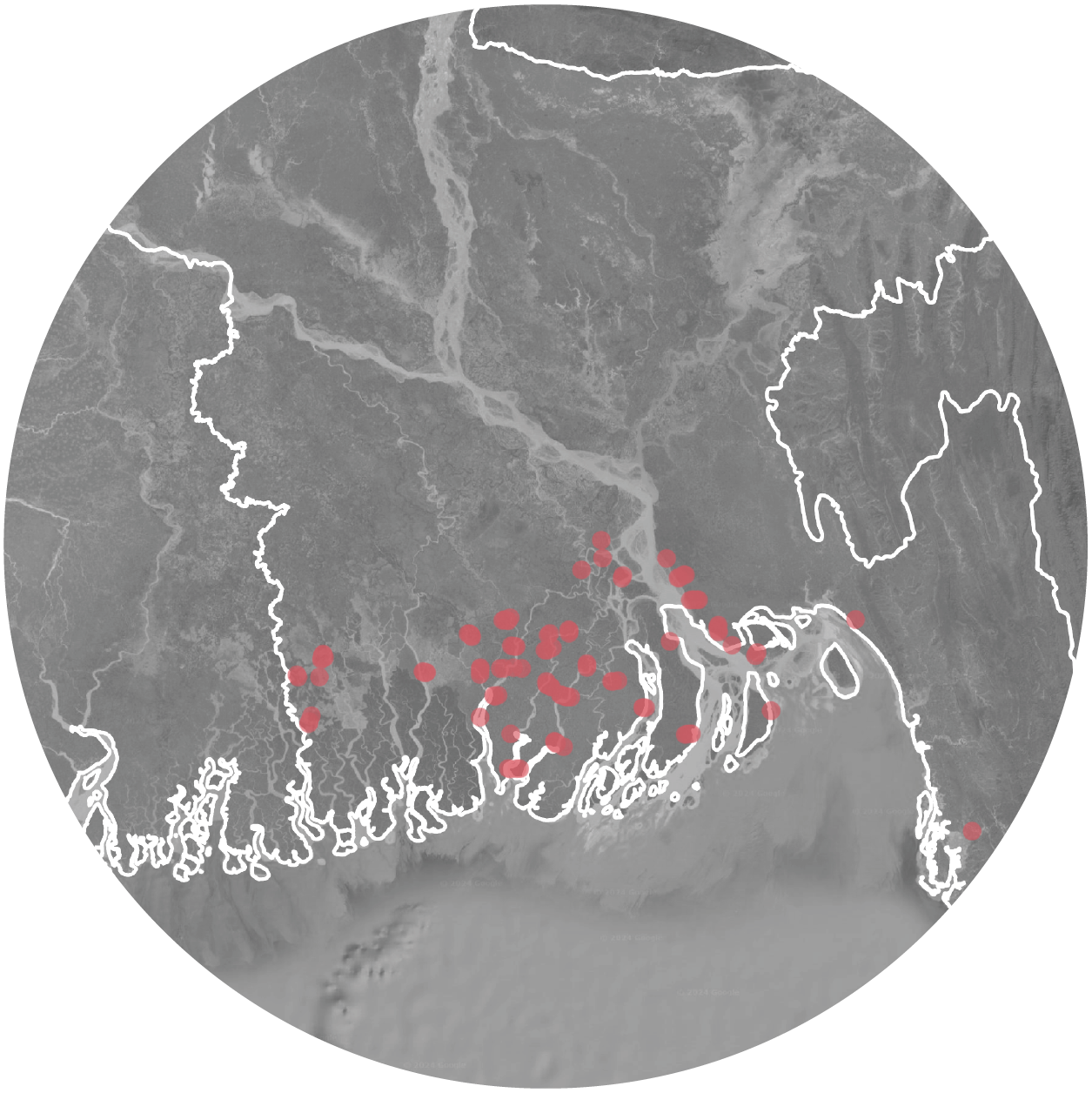
Akhter grew up some 180 miles south of Savar, in Satkhira — a district home to 2.2 million people on a river delta where, in recent decades, fresh water has become scarce. As sea levels rise, rivers dry up, and cyclones become more severe, Satkhira and the other low-lying districts that surround it have been among the first in the world to experience the sting of climate change-driven saltwater intrusion — the creep of seawater inland.
The memory of drinking water tainted with salt is burned into Akhter’s mind. “It felt like swallowing needles,” she told Grist and Vox in Bengali. “It doesn’t quench your thirst.” The water was so salty Akhter couldn’t properly clean herself with it. The sodium in the water prevented soap from forming bubbles and left powdery streaks on her skin as it dried. Her hair fell out, and she itched all over.
When she hit puberty, she had to wash her cloth menstrual pads in salty water. The monthly exposure to salt in her pads made her break out in sores. Akhter’s menstrual cycle became erratic. “One month, it showed up unexpectedly early, catching me completely off guard,” she said. “The next month, it seemed to disappear altogether.” She sought medical advice at the Shyamnagar Upazila Health Complex, the local hospital in Satkhira, but there was no long-term fix available to her, beyond stopping her period altogether with hormonal birth control pills. She left Satkhira a decade ago, when she was a teenager, and moved to Savar, known for having some of the cleanest water in Bangladesh.
When Akhter first arrived in Savar, she had trouble adapting to city life. She wasn’t used to eating food cooked on a gas stove and went to extreme lengths to avoid it. “I used to buy biscuits or cakes from the office canteen and sometimes starved,” she said. But Akhter, who knew she wanted children someday, pushed through. “All I ever wanted was a better life for my kids — a life where they wouldn’t have to worry about food or clean water,” she said.
Studies have shown that saltwater consumption has negative, long-lasting effects on nearly every stage of a woman’s reproductive cycle, from menstruation to birth. Akhter knew that if she stayed in Satkhira and started a family of her own there, she’d be putting herself in real danger. She’s not the only person in her region to leave in search of cleaner water. Millions of Bangladeshis have been internally displaced by flooding in the past decade, and experts say saltwater intrusion is one of the factors driving migration from rural regions of Bangladesh to urban centers.
In some ways, Akhter is one of the lucky ones. She got out of Satkhira before saltwater consumption led to high blood pressure, a hysterectomy, or worse. But the women, and other people with uteruses, who remain in Satkhira are suffering from reproductive health effects — issues that could become common elsewhere in the coming years. As sea levels rise and intensifying storms stress infrastructure systems along coasts around the world, salt water threatens to infiltrate freshwater drinking supplies in countries like Egypt, Italy, the United States, and Vietnam. The issue, a 2021 study stated, “has become one of the main threats to the safety of freshwater supply in coastal zones.” The health of women living in these areas is on the line.
Southwestern Bangladesh is accustomed to encroaching salt water. The region sits adjacent to where the Padma River — known as the Ganges in India — empties into the Bay of Bengal. Most of the Bangladesh delta is less than 2 meters, or 6.5 feet, above sea level, with some areas at or even below the tide line. When cyclones wheel into the bay, storm surge pushes salt water inland, flooding the area.
For generations, communities in Satkhira adapted to the ebb and flow that defines the delta ecosystem. In the late 1960s, when a catastrophic period of cyclone-driven storm surge submerged rice paddies in salt water and ruined livelihoods, Satkhira was one of the first districts in Bangladesh to turn those paddies into shrimp farms. Small-scale farmers took advantage of storm surge — trapping seawater in ponds and paddies to cultivate shellfish — and paved the way for other parts of coastal Bangladesh to do the same. Today, shellfish farms have expanded into roughly 675 square miles of land, most of it in southern Bangladesh. Annual shellfish exports are valued in the hundreds of millions of US dollars, and the industry employs more than a million people directly, and millions more indirectly.
But the district’s legacy of hard-fought resilience is being undone by climate change.
Already, sea level rise has pushed the saline front more than 62 miles inland along the country’s 450-mile coastline. Climate models indicate that a 380-square-mile area in coastal Bangladesh, home to 860,000 people, could be under the high tide line by the end of this century. Every millimeter of sea level rise contributes to more expansive and intense saltwater intrusion in soil and freshwater resources.
Between 2000 and 2020, the country was hit by eight major cyclones. One of these powerful storms, 2007’s Cyclone Sidr, produced a 16-foot-high storm surge, rainfall, and tidal waves that flooded an area home to 3.45 million people. This week, a storm of similar proportions, Cyclone Remal, destroyed tens of thousands of homes and trapped thousands of people in the country’s low-lying areas. Nearly 40 percent of the country’s seaside soil already has salt in it, but storms like Sidr and Remal — the severe cyclones that are projected to become more common as climate change worsens — supercharge salinization by spreading unprecedented quantities of salt water deeper inland.
The Bangladeshi government has inadvertently contributed to the problem. In the 1960s, the government built a series of embankments around reclaimed land in southern Bangladesh. These areas, called polders, were meant to protect communities and agriculture from storm surge. But the embankments, which stand up to 13 feet high, are not tall enough to keep major surges out. Seven cyclones with storm surge of more than 13 feet hit Bangladesh between 1970 and 2008. Once the embankments have been overtopped, the seawater can’t flow out again.
The trend is made worse by the region’s growing shrimp and prawn industry. Black tiger shrimp, the main species of shrimp farmed in Bangladesh, thrive in brackish water — water that is saline but not quite as salty as seawater. When Satkhira began to embrace aquaculture and shrimp farming, the government neglected to study the potential risks of adding saline to freshwater ponds in order to make them suitable for shrimp farming. Over time, salt from the shrimp fields leached into ponds and other in-ground freshwater containers, further contaminating limited drinking water supplies. A 2019 report that tested salinity in 57 freshwater ponds in Satkhira found that 41 of them contained water that was too salty for drinking.
The Padma River, which carries fresh water from Nepal through India to Bangladesh, is another source of salinity. The river supplies much of the fresh water Bangladeshis use for irrigation, farming, freshwater fishing, and drinking. But the Padma’s flow into Bangladesh is restricted seasonally by India, which controls a dam in West Bengal called the Farakka Barrage. During dry periods, the flow of water coming into Bangladesh from India slows and the volume of river water going into the ocean weakens, allowing seawater to work its way up the Padma. When heavy rain falls, the river swells and salt water is pushed back out, expunging the river of its salinity and transforming the river back into a freshwater resource.
“The people are trapped,” said Zion Bodrud-Doza, a researcher at the University of Guelph in Canada who studies saltwater intrusion in Bangladesh. “When you don’t have water to drink, how do you live?”
In 2008, Aneire Khan, a researcher at Imperial College London, visited Dacope, a division of the Khulna district, which borders Satkhira in southwest Bangladesh. She met a gynecologist there who told her that an unusual number of pregnant women were coming to him with gestational hypertension and preeclampsia.
The former is defined as two separate blood pressure readings of greater than 140 over 90 in the second half of the pregnancy. The latter occurs when those high blood pressure readings are accompanied by high levels of protein in the urine.
Both conditions affect how the placenta develops and embeds into the uterine wall, said Tracy Caroline Bank, a maternal fetal medicine fellow physician at The Ohio State University Wexner Medical Center. Patients with either condition “have a higher risk of things like a preterm delivery, of fetal loss,” she said, in addition to “a higher risk of the baby growing too small.” Premature babies are dealt a bad hand before they take their first breaths: Low birth weights are linked to poor development, cognitive impairments, cerebral palsy, and psychological disorders.
The gynecologist Khan spoke to said that high blood pressure readings, especially in women, were occurring with more frequency. Other medical professionals Khan spoke to in Khulna confirmed that observation. They thought salt water may be the culprit.
People who drink water with small amounts of salt in it can grow acclimated to moderate salinity over time. Khan, who was traveling between London and Bangladesh at the time, tasted the water in Khulna and was surprised to encounter immediate, undeniable salinity. It was “very, very salty,” she said. She conducted a survey of blood pressure levels in pregnant women living along the coast and compared the data to blood pressure in women living inland. More than 20 percent of the women living in coastal zones had been diagnosed with a hypertensive disorder, compared to less than 3 percent of women living in Dhaka. It was clear that a serious public health threat was growing along the coast, but no formal epidemiological study of saltwater intrusion and reproductive health in Bangladesh existed at the time. Khan set out to change that.
In 2011, three years after she spoke to the gynecologist in Khulna — the man who became her co-author — Khan published a study that showed that hypertension, or high blood pressure, in Dacope occurred seasonally. Out of the 969 pregnant women they analyzed, 90 presented with hypertension. In the wet monsoon months, heavy rains filled ponds with fresh water and diluted salt concentrations in rivers. During the dry season, lack of rainfall caused people to turn to other sources of drinking water that became steadily saltier over the course of the season. Of the 90 cases of gestational hypertension that Khan documented, 70 occurred during the months of November and April, the periods with the least amount of rainfall.
The World Health Organization recommends that adults consume no more than 5 grams of salt per day, about a teaspoon’s worth. Khan ultimately discovered that women in Dacope were getting more than three times that amount per day from their drinking water alone during the dry months.
Consumption isn’t the only way that salt water endangers women’s reproductive health. As Akhter learned as an adolescent, using salt water to wash cloth menstrual pads presents additional dangers. The water “doesn’t clean well,” said Mashura Shammi, a professor at Jahangirnagar University in Bangladesh who studies saltwater intrusion and the effects of pollutants on health. “The salt makes the cloth very hard,” she added, and can cause scratches in the vagina that lead to infection.
Other women in southwestern Bangladesh, particularly those who make a living working in shrimp aquaculture or fishing in the rivers, suffer even more intense health repercussions. Standing in salt water every day can produce chronic uterine infections and uterine cancer. The International Centre for Climate Change and Development, a research institute, interviewed women from Bangladesh’s coastal zones and found anecdotal evidence of a host of saltwater-linked health outcomes. “I have cut off my uterus through surgery due to my severe infections,” one 32-year-old woman said. “And I am not the only one, there are many like me.” In the same report, a doctor from the Shyamnagar Upazila Health Complex said she had noticed “an increase in infertility, irregular periods, and pelvic inflammatory disease.” The doctor said that the majority of her female patients over the age of 40 have had hysterectomies or have undergone procedures to eliminate the lining of the uterus in order to lessen heavy menstrual bleeding.
Roughly 40 percent of the world’s population lives within 60 miles of a coast, and more than 100 countries are at risk of saltwater intrusion. By the end of 2019, 501 cities around the world had reported a saltwater intrusion crisis of some degree — more than a fifth of them home to more than 1 million people each. “Bangladesh isn’t the only country that’s going to be affected by salinity,” Khan said. “Vietnam, China, the Netherlands, Brazil — salinity in the coastal areas is going to be a huge issue, and is already a problem.”
The Mekong Delta, where the Mekong River flows into the ocean, is Vietnam’s breadbasket. Every year during the dry season, seawater flows up the mouth of the river from the South China Sea, turning the river salty for a month or two. People living in the delta — 20 percent of Vietnam’s population, many of them farmers — collect rainwater during the wet season to compensate for the seasonal salinity. But recent years have marked a departure from the norm. Yearslong droughts, more erratic rainfall patterns, and a network of Chinese dams upstream have produced a saltwater intrusion crisis in the Mekong River. The creep of saltwater upstream could lead to $3 billion in agricultural losses per year, and thousands of residents could see their drinking water cut off this year.
A similar story is unfolding in the Nile Delta in Egypt, where farmers are pumping groundwater to supplant increasingly salty water from the Nile River. Overreliance on coastal groundwater upsets the natural balance between freshwater aquifer and ocean. As groundwater levels drop, the pressure keeping salt water out weakens, allowing the ocean in. If aquifers are drained too quickly, and past a certain point, pumping water out of the ground can actually suck ocean water into the aquifers like a vacuum. Some 15 percent of the most fertile land in the Nile Delta is contaminated with salt water due to drought, sea level rise, and overpumping.
Nearly every solution to saltwater intrusion hinges on trying to keep seawater out of fresh water to begin with. Armoring coastlines with sea walls, levies, sandbags, and other hard infrastructure is the first line of defense in many countries. Those with water and money to spare can artificially “recharge” underground freshwater aquifers to preserve the natural tension between fresh water and salt water. Governments can also put restrictions on how much water farmers can pull from underground resources.
Preventative measures are more effective than fixes put in place after the fact. It’s nearly impossible to clean salt out of fresh water without the aid of expensive and energy-intensive desalination equipment, which most countries do not have. A medium-sized desalination plant, which is an incredibly energy-intensive piece of infrastructure, costs millions of dollars to build and then millions more in annual operation costs. Even in very rich nations, runaway saltwater intrusion poses risks to infrastructure and people. Most water supply networks’ intake stations in the US, for example, are not outfitted with desalination technology. Once saltwater intrusion reaches those stations, they have to be shut off to avoid pulling the water in.
Last year, drought in the Mississippi and the Ohio River valleys weakened the flow of water in the Mississippi River, and a massive wedge of seawater from the Gulf of Mexico started to creep north. As the wedge moved upstream along the bottom of the river, intake stations in Plaquemines Parish, Louisiana, started sucking it in. More than 9,000 residents couldn’t drink water from their taps, and local officials started distributing bottled water. Rainwater eventually eased the drought and forced the wedge back toward the ocean. Water in Plaquemines Parish is currently safe to drink again, though experts warn salt water poses a long-term threat to drinking water in southeast Louisiana.
Saltwater intrusion “is an issue along most of the coastline in America,” said Chris Russoniello, a professor of geological sciences at the University of Rhode Island. California, Louisiana, New Jersey, New York, and Rhode Island are some of the states that are already confronting intrusion. But exactly how much of a threat it poses to communities “varies drastically from place to place,” Russoniello said. How much funding states direct to keeping saltwater intrusion at bay will determine the extent to which people feel the burden of intrusion. Many states already lack sufficient drinking water protections and infrastructure, particularly in low-income and minority areas. Saltwater intrusion is likely to exacerbate existing drinking water inequities. But, in general, the US is much better equipped to address saltwater intrusion than other countries grappling with similar issues.
“The places where this will really be felt are places where the resources are not available,” Russoniello said. In Bangladesh, the government has tried to leverage billions in international and domestic resilience funding to protect communities in the southern parts of the country. The solutions often do more harm than good. The embankments are susceptible to breaching, shrimp and prawn farmers have further contaminated soil and drinking water with salt, and an expensive network of gates, locks, and sluices meant to control ocean water are decaying due to lack of regular maintenance. District governments and nongovernmental organizations distribute rainwater collection tanks to a small percentage of families every year, which provide some measure of relief. But none of these fixes are permanent.
“If the water is saline, you cannot make it fresh water in the blink of an eye,” Bodrud-Doza said. “People are trying to survive, but people need to leave.” Coastal Bangladesh and southeast Louisiana have that, at least, in common. Sea level rise will force a substantial portion of the population in both places to migrate inland. In areas where the encroaching tide, deadly storm surge, and widespread saltwater intrusion are inevitable, there will eventually be no option but retreat. “It’s something we need to think about as a society,” Russionello said. For the women already living on the front lines of a crisis that robs them of their health, reproductive organs, and pregnancies, retreating from the coastline is no longer a question of if, but how.
Akhter and her husband, Shamim, grew up in adjacent villages and met when they were children. They began dating in high school and later indicated to their families that they wanted to be married. Akhter was living in Savar when her marriage to Shamim was arranged by her parents. After they were married in a traditional ceremony in Satkhira, Akhter temporarily moved to Shamim’s village, where the salt levels in the drinking water were even higher than they had been in her home village. The couple tried purifying the water with aluminum sulfate powder and boiling the water with herbs. As a last resort, Shamim installed a water filter he obtained in Dhaka. Nothing helped.
Akhter permanently relocated to Savar with Shamim, and, soon after, became pregnant and gave birth to her first daughter, Miftaul. Two years later, she gave birth to a second healthy girl, Muntaha. At first, the family lived together in Savar. But Akhter and Shamim both work full time, and they couldn’t afford day care for both children. Their older daughter, Miftaul, who is now 5, lives in Satkhira with her grandparents for most of the year, and Akhter worries about the impact that saltwater intrusion will have on her young daughter’s life.
“It’s not ideal for her health, especially now that she’s growing,” Akhter said. “She already has trouble showering with salty water.” Miftaul has begun attending school in Satkhira, but Akhter and Shamim plan to bring her back to the city, where the schools and water quality are better, as soon as possible.
Akhter doesn’t want her children to relive a version of her own difficult childhood. A piece of her heart will always live in Satkhira, she said, but her future, and her daughters’ futures, are anchored in Savar. “I don’t want them to go through the struggles we faced.”