A year after the police shooting of Michael Brown set off a wave of protests in Ferguson, Missouri, the Black Lives Matter movement that rose to prominence in the aftermath is winning. Americans are paying more attention to systemic racism in the criminal justice system. Democratic presidential candidates have had public appearances derailed when they fail to take a convincing stance on the issue. And cops have been charged and indicted for high-profile killings.
How Ferguson changed hearts and minds in America

Scott Olson/Getty Images
The movement hasn’t definitively won. Black people are still dying at alarming rates at the hands of police, and several recent police shootings — such as the killing of Samuel DuBose in Cincinnati — were horrifying and unnecessary.
But recent surveys show the shift. A June survey of 2,000 US adults from Gallup found that all Americans are more likely to say that black people are unfairly treated in all aspects of society, including police encounters. And a July survey of 2,000 US adults from the Pew Research Center found a 20-year high in the percentage of Americans calling racism a “big problem” in society.

The media is also paying more attention. Both the Washington Post and the Guardian now track police shootings in databases that make up for the lack of credible federal data.
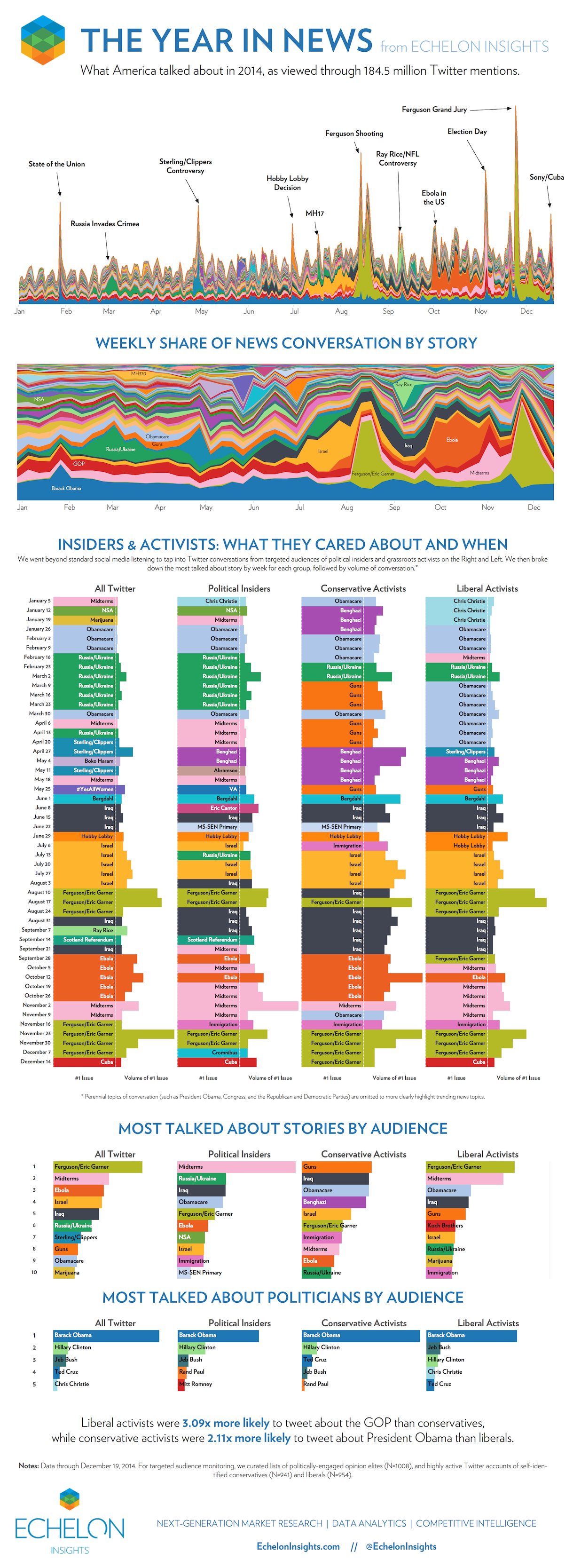
Part of this reflects a rise in public interest, which the media is responsive to: Ferguson was the biggest news story for Americans on Twitter in 2014 — surpassing the Russian invasion of Crimea, Ebola, and the 2014 election. And there has been more interest in police shootings, according to Google searches, since late 2014:

Beyond public interest, perhaps the most compelling evidence that police shootings are taken more seriously is that prosecutors — who ultimately have the power to criminally charge police accused of wrongdoing — are taking the issue more seriously. After a white police officer fatally shot DuBose, a black man, during a traffic stop in Cincinnati, Hamilton County Prosecutor Eric Deters — a Republican — called the shooting “unwarranted” and “senseless,” stating that it was “the most asinine act I’ve ever seen a police officer make.” And Deters was hardly the only prosecutor to come out against a police shooting in the past year, with prosecutors filing charges against the officers who killed Walter Scott in North Charleston, South Carolina; Eric Harris in Tulsa, Oklahoma; and Freddie Gray in Baltimore.
Lawmakers, too, are pushing to hold police accountable. President Barack Obama and Democratic presidential candidate Hillary Clinton have both called for police to wear body cameras that would record police officers on the job. The Obama administration has said that the federal government needs to do a better job tracking police killings. And Clinton dedicated her first 2016 campaign speech to criminal justice issues, including policing.
Again, none of this is to say that the battle is over and Black Lives Matter has achieved its overall mission of “redressing the systemic pattern of anti-black law enforcement violence in the US.” Republicans and white Americans are still far more skeptical about the threat of racism in US society, according to Gallup and Pew surveys. And Republican presidential candidates — with the exception of Sen. Rand Paul (KY) — have largely avoided any criminal justice issues, including policing.
But the trend is apparent: Black Lives Matter is winning. The notoriously slow American political system may take a while to reflect that, but it’s really happening.
See More: