One of the most fascinating things about #GamerGate, the purported attempt by gamers to raise issues of ethics in games journalism that has functionally turned out to primarily be about harassing women online, is the way that it has pointed out a bunch of underlying weaknesses in the online media model, weaknesses that future movements may exploit to even greater benefit.
#GamerGate’s scary plan to wipe Gawker Media from the face of the Earth


Emily St. James was a senior correspondent for Vox, covering American identities. Before she joined Vox in 2014, she was the first TV editor of the A.V. Club.
These weaknesses may have been stumbled upon accidentally, but they reveal just how shaky the business model of online publishing still is. It’s unlikely that #GamerGate will succeed at what it’s trying to do, which is functionally cause Gawker Media to cease to exist as a company, but its strategy is something that has the potential to be incredibly destructive.
The problem with advertising
I wrote a little bit last week about how the movement seemed to intuitively grasp that advertiser boycotts of online media would go much further than they did in the old days of print and broadcast media being the only games in town. The movement even got normally implacable Gawker to apologize for tweets one of its writers made, rather than anything published on the site.
It’s the movement’s latest tactic that’s truly innovative, however. In a movement dubbed “Operation Baby Seal,“ the subreddit KotakuInAction (one of the two or three actual websites where #GamerGate participants congregate to talk shop) is aiming to get angry #GamerGate participants to write letters of complaint to Google AdSense and Amazon’s similar advertising program to get them to yank advertising at the source. Rather than complaining to actual advertisers, Operation Baby Seal aims to complain to the middlemen who funnel ads from the advertisers to sites that need them. Cut off Google AdSense for one site, and a huge, major source of revenue is lost.
How will Operation Baby Seal manage this trick? It’s not particularly clear (and, I should say here, the operation seems unlikely to succeed for sheer logistical reasons), but it mostly involves having aggrieved gamers send bunches and bunches of complaint emails about Gawker Media sites violating Google and Amazon’s terms of service. (Yes, the #GamerGate folks read the terms of service.) The examples are to be drawn from this wiki, which collects a bunch for easy collation into form letters.
KotakuInAction began as a way to mock Kotaku, Gawker Media’s video game publication, for its aspirations toward discussion political aspects of video games, so the grudge between #GamerGate and the company runs deep. But Operation Baby Seal is truly a new level of loathing. The movement seems less to want to expose ethical lapses at this point and more to drive sites it doesn’t agree with from the face of the Earth.
Differences of opinion
And it’s that disagreement that comes up again and again in these sorts of discussions. On some fundamental level, #GamerGate is driven by the thought that games publications shouldn’t just have ethical standards but should never publish an opinion the movement disagrees with ever. (For more on this, this lengthy podcast between Kotaku editor Stephen Totilo and #GamerGate sympathizer TotalBiscuit is worth a listen.)
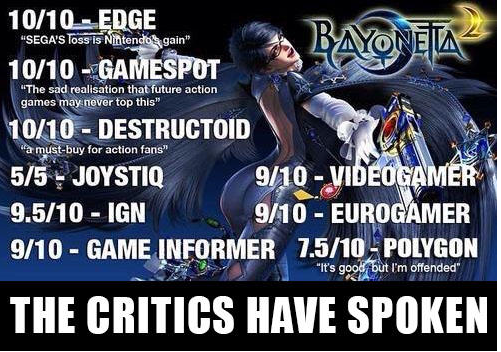
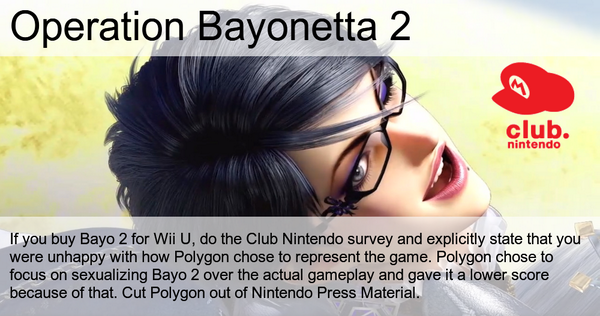
In particular, the movement keeps circling back to a review of Bayonetta 2 on Polygon (a Vox sister site) that talked at length about how the character design seemed sexist to the reviewer. The antipathy isn’t driven by an actual ethical breach; it’s driven by the employment of a fairly common device in reviews of all sorts. And yet it’s inspired attempts to get Nintendo to boycott Polygon.
Or just look at the lead-off post for Operation Baby Seal, which suggests those talking to Amazon remind it that Gawker has published several pieces of journalism highly critical of working conditions at the company. It’s one thing for advertisers to pull ads from a publication due to pieces critical of them. That’s been happening since the invention of journalism. It’s another to pressure ad providers to pull advertising for the same reasons. It’s a whole other scale.
#GamerGate is a fascinating movement to study for some of these reasons, but it’s also one that’s slightly terrifying, at least to someone who makes his living as a journalist on the Internet. A handful of #GamerGate’s early concerns with games journalism were justified, but since then, it has mostly devolved into attempts to govern opinions. And by boycotting advertisers and trying to cut off ad revenue entirely via those who supply the ads, it’s found some incredibly exploitable weaknesses in a business model that’s still, largely, in its infancy.