The news that the Rockefeller family is divesting the charity it controls from fossil fuel companies has the larger campaign to persuade universities and other non-profits to divest back in the news.
Does fossil fuel divestment work?

Divestment is when an organization or individual — typically a rich one — refuses to hold shares of stock in a given company or sector. It’s a popular protest tactic in part because it’s relatively low-cost to the divester. But by the same token, it’s not all that economically damaging to the target either. Here’s a look at two things divestment doesn’t accomplish, and one thing it does do.
1) Divestment doesn’t deny companies money

Keystone XL protestors (Michael Fleshman)
Divestment proponents sometimes talk as if divestment from fossil fuel companies would deny the fossil fuel sector access to the funds it needs to invest in further extraction projects. This is not the case. It is generally quite rare for companies in need of money to raise it by selling stock (for tax reasons it’s more advantageous to sell bonds) and the fossil fuel sector is generally quite profitable and mature and can finance investments out of past profits.
What’s more, this misunderstands the relationship between a company and the owners of its stock. When a non-profit endowment sells shares in ExxonMobil, ExxonMobil isn’t involved in the transaction at all. The shares are sold to some third party investor who does want to own ExxonMobil shares and the company continues onward as if nothing has happened at all. That’s because from a management perspective, nothing has happened at all.

Beasts of finance, Frankfurt, Germany (Eva K.)
Corporate executives don’t care who owns their stock, but they very much do care about share prices. When investor sentiment turns against a given sector and everyone starts selling their stock, prices decline and executives worry.
Divestment imitates this process, but doesn’t really achieve the same thing. As long as other funds and money managers aren’t divesting, all that happens is that a momentary opportunity exists to pick up shares at a bargain price. Now if an enormous supermajority of investors all decided to divest, that really could push prices down. But long before you reached that level of social consensus you would have the political clout necessary to accomplish whatever it is you wanted.
One way or another, the share price of fossil fuel companies is going to be driven by investor’s estimates of their long-term profitability — not by divestment actions.
3) Symbolic disapproval matters
Because of (1) and (2) divestment is really just a symbolic act of disapproval. But symbolic acts of disapproval matter.

Fossil fuel companies need to hire staff, they need to lobby politicians, and they need to contract with other companies for services. A world in which it was universally accepted in polite society that fossil fuel companies are problematic and respectable people should avoid dealing with them would be a very different world from the one we live in. Fossil fuel firms would find it challenging to recruit talented staff in a cost-effective way, and would have trouble securing favorable tax and regulatory treatment from the government. This is a real risk, and it’s why no company or sector likes to see high-profile divestment campaigns lobbed against it.
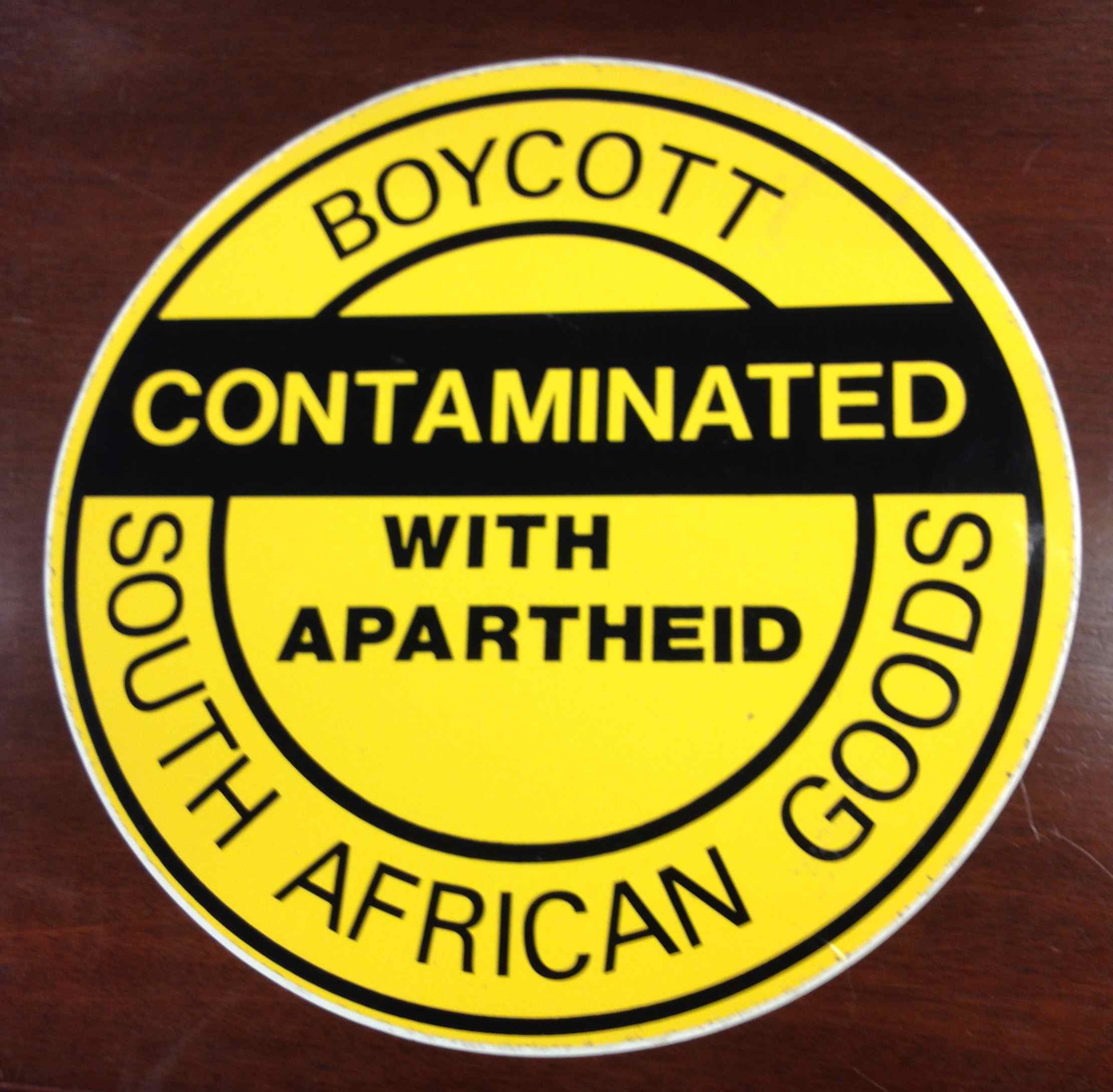
The most famous divestment campaign, waged against the government of apartheid South Africa, is a case in point. It is unlikely that divestment as such had an important impact on South Africa’s corporate sector or financial markets. But it was part and parcel of a larger ongoing campaign that left South Africa socially and economically isolated from the world. That overall isolation did have an impact, and divestment was an important part of that isolation insofar as it gave campaigners concrete asks that were smaller in scale than whole national-level sanctions.
See More: